pct
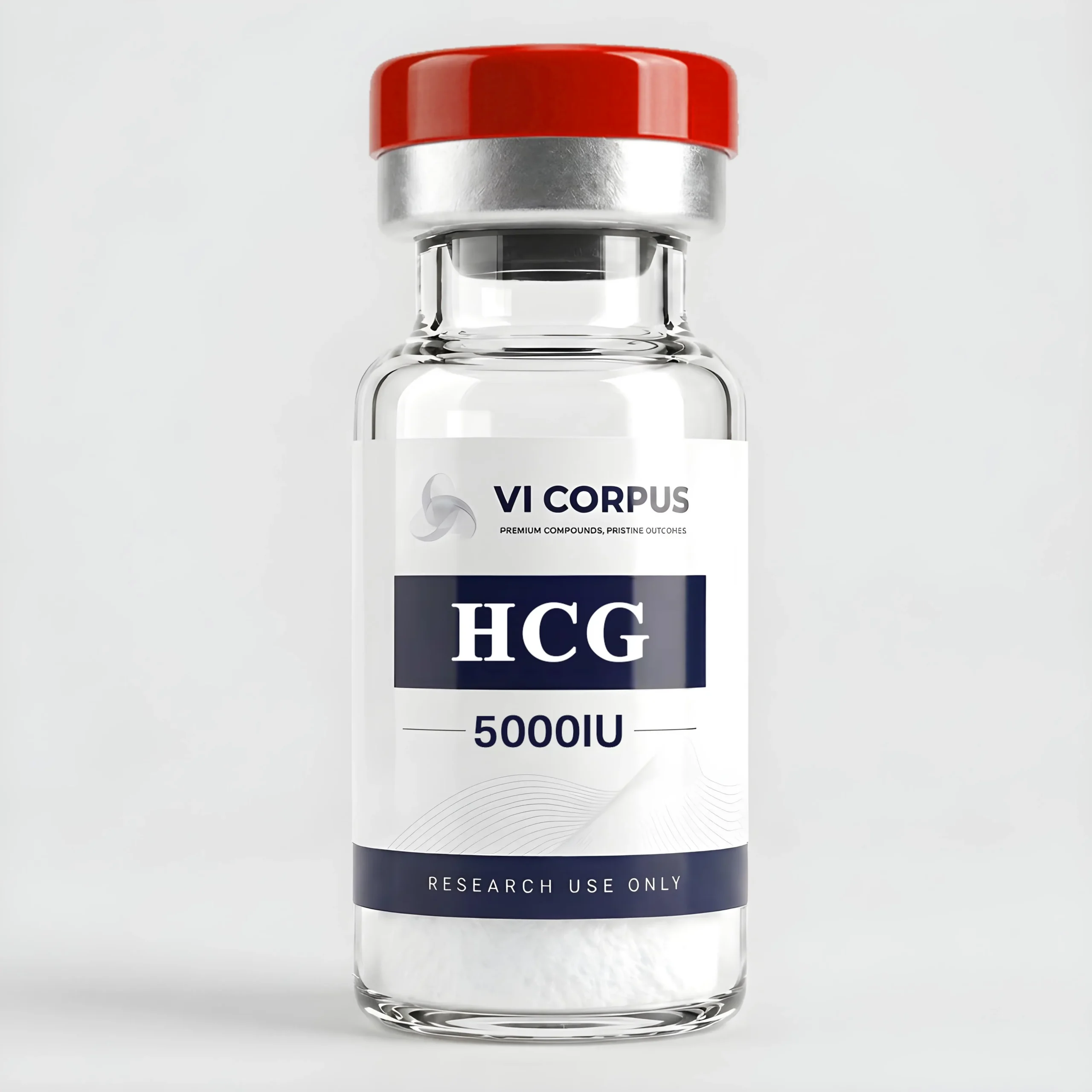
HCG
PCT · Recovery
12 sold this week
Select a bundle above to unlock your discount
About this product
Human Chorionic Gonadotropin (HCG) is a glycoprotein hormone of significant interest in reproductive endocrinology and hormonal regulation research. Structurally homologous to luteinising hormone (LH), HCG shares the same alpha subunit and binds with high affinity to LH/hCG receptors in gonadal tissue — making it a widely studied compound in models of testosterone biosynthesis, spermatogenesis, and HPG axis function.
In male research subjects, HCG is primarily studied for its capacity to stimulate Leydig cell activity and drive endogenous testosterone production without suppressing the hypothalamic-pituitary axis in the same manner as exogenous androgen administration. In female reproductive models, it is examined for its role in ovulatory signalling and corpus luteum support.
Product Summary Table
| Name | Human Chorionic Gonadotropin |
| Synonyms | HCG, hCG, Choriogonadotropin alfa |
| Molar Mass | ~36,700 Da (approximate glycoprotein composition) |
| Chemical Formula | Glycoprotein — two non-covalently linked subunits (α and β); approximate composition C₉₉₀₀H₁₅₂₀₀N₂₆₀₀O₃₀₀S |
| Classification | Glycoprotein hormone / Gonadotropin |
| Receptor Target | LH/hCG receptor (LHCGR) |
| Purity Standard | Research grade ≥99% |
| Form | Lyophilised powder (requires reconstitution) |
| Storage | Store lyophilised at 2–8°C. After reconstitution, maintain at 1–4°C. |
| Country of Origin | Australia |
In Vivo Research Benefits
- Endogenous Testosterone Stimulation: By binding to LH receptors on Leydig cells in the testes, HCG stimulates intratesticular testosterone synthesis. Research has documented mean testosterone increases of approximately 49.9% from baseline in hypogonadal male subjects treated with HCG monotherapy.
- Spermatogenesis Preservation: Unlike exogenous testosterone administration — which can suppress spermatogenesis — HCG has been studied as a concurrent agent to maintain sperm production. Research indicates that low-dose HCG administered alongside testosterone replacement therapy preserved semen parameters with no subjects becoming azoospermic.
- Hypogonadotropic Hypogonadism Models: HCG is frequently studied in male subjects with secondary (hypogonadotropic) hypogonadism, where the underlying deficit is insufficient gonadotropin signalling rather than primary testicular failure. Research in this population has shown improvements in testosterone, testicular volume, and in some studies, penile development.
- Post-Suppression Hormonal Recovery: Examined in models of HPG axis recovery following androgenic suppression, HCG provides a direct gonadotropic signal to restore Leydig cell function and intratesticular testosterone during the recovery phase.
- Ovarian Stimulation Research: In female reproductive models, HCG is studied for its role in triggering final oocyte maturation, ovulation induction, and corpus luteum support via LH receptor activation in granulosa and luteal cells.
- HPG Axis Signalling: Investigated for its influence on hypothalamic–pituitary–gonadal feedback dynamics, including downstream effects on LH/FSH suppression via negative feedback from elevated testosterone stimulated by HCG administration.
Dosage and Administration
- Form: Lyophilised powder. Reconstitute with bacteriostatic water prior to use. Standard reconstitution volume is typically 1–2 mL of bacteriostatic water per vial, depending on the target concentration for the research protocol.
- Administration Route: Subcutaneous or intramuscular injection, consistent with published clinical and preclinical research protocols.
- Research Protocol Reference: In published studies examining HCG in male hypogonadism and fertility research, doses have typically ranged from 500 IU to 2,000 IU administered two to three times per week. Protocols for spermatogenesis preservation alongside testosterone replacement have generally used lower doses in the range of 500 IU to 1,000 IU administered three times per week. Dosing protocols vary considerably by study design and research endpoint.
- Storage & Handling: Store lyophilised vials at 2–8°C. Once reconstituted, maintain at 1–4°C and use within the period defined by your research protocol. Avoid freeze-thaw cycles of the reconstituted product. This product is intended for in vitro and in vivo research use only and is not approved for human therapeutic use.