peptides
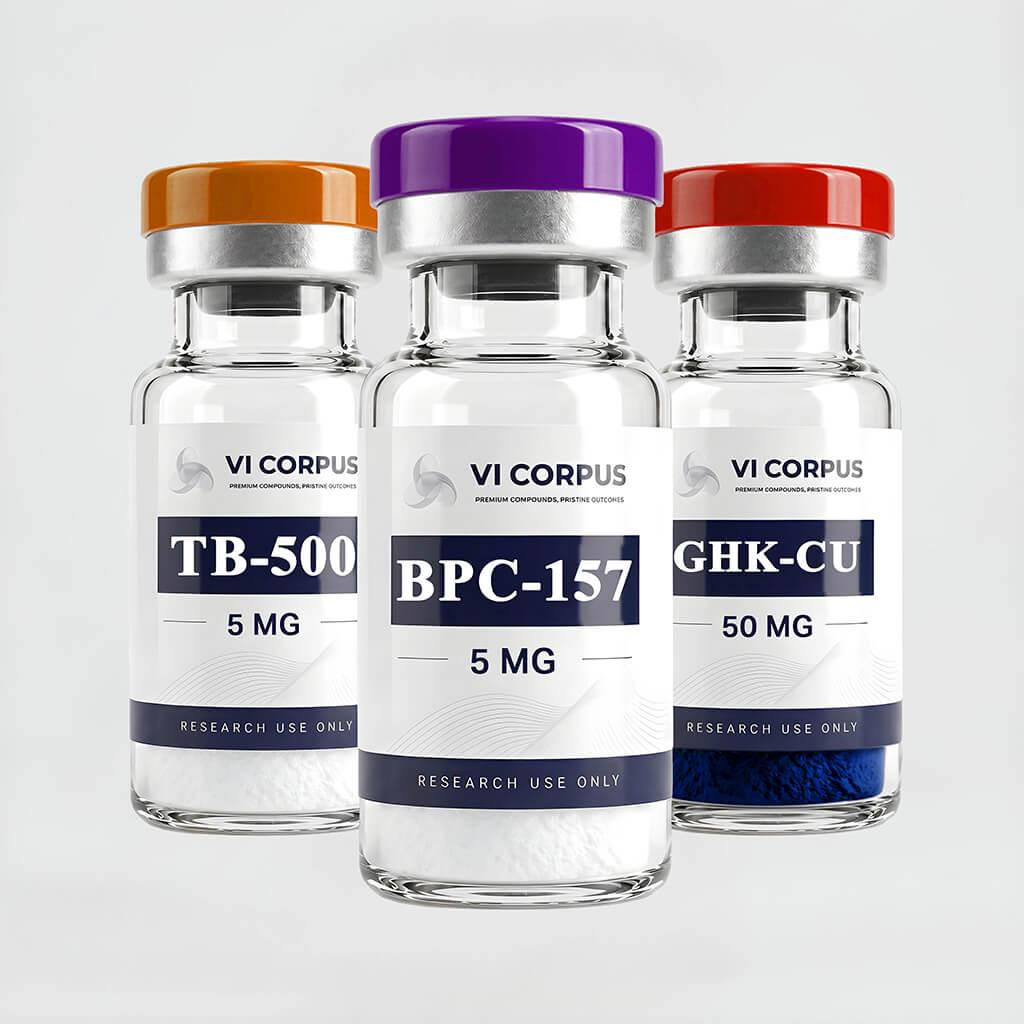
Wolverine Peptides Stack
Peptide · Research Grade · Lyophilized · Blend
26 sold this week
What's in this stack
Save $100 by purchasing this stack. Now $289 (Regular Price $389).
Individual total
$359.00 AUD
Bundle price
$289.00 AUD
About this product
Wolverine Peptides Stack
The Wolverine Peptides Stack is a multi-compound research blend formulated to support investigations into tissue regeneration, wound healing, collagen synthesis, and inflammation modulation. This stack combines three widely studied peptides associated with cellular repair pathways and extracellular matrix remodelling.
Designed for laboratory research, this stack includes BPC-157, TB-500, and GHK-Cu, each recognised for distinct regenerative mechanisms in preclinical and in vivo models.
Product Summary Table
| Name | Wolverine Peptides Stack |
| Total Content | 60mg total |
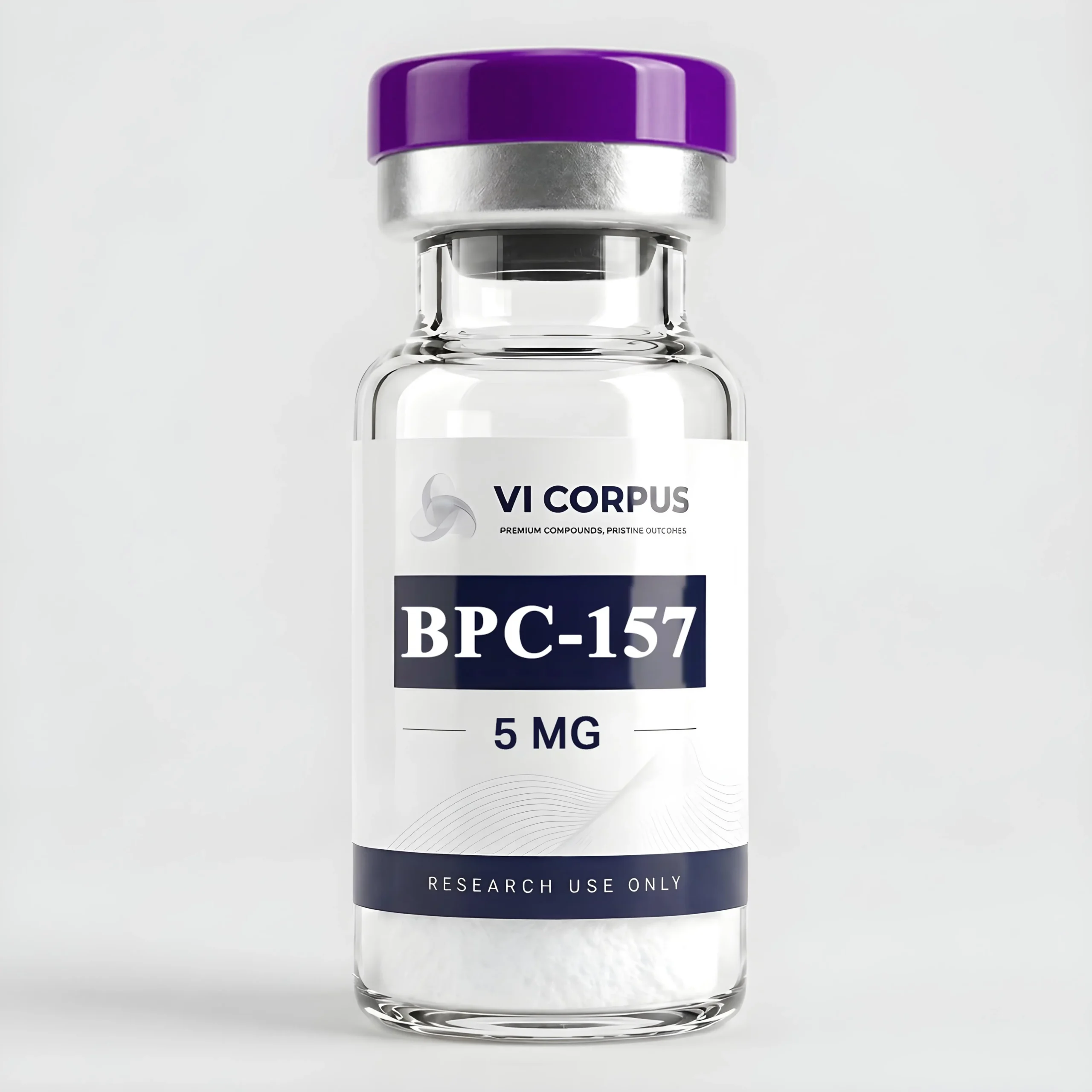
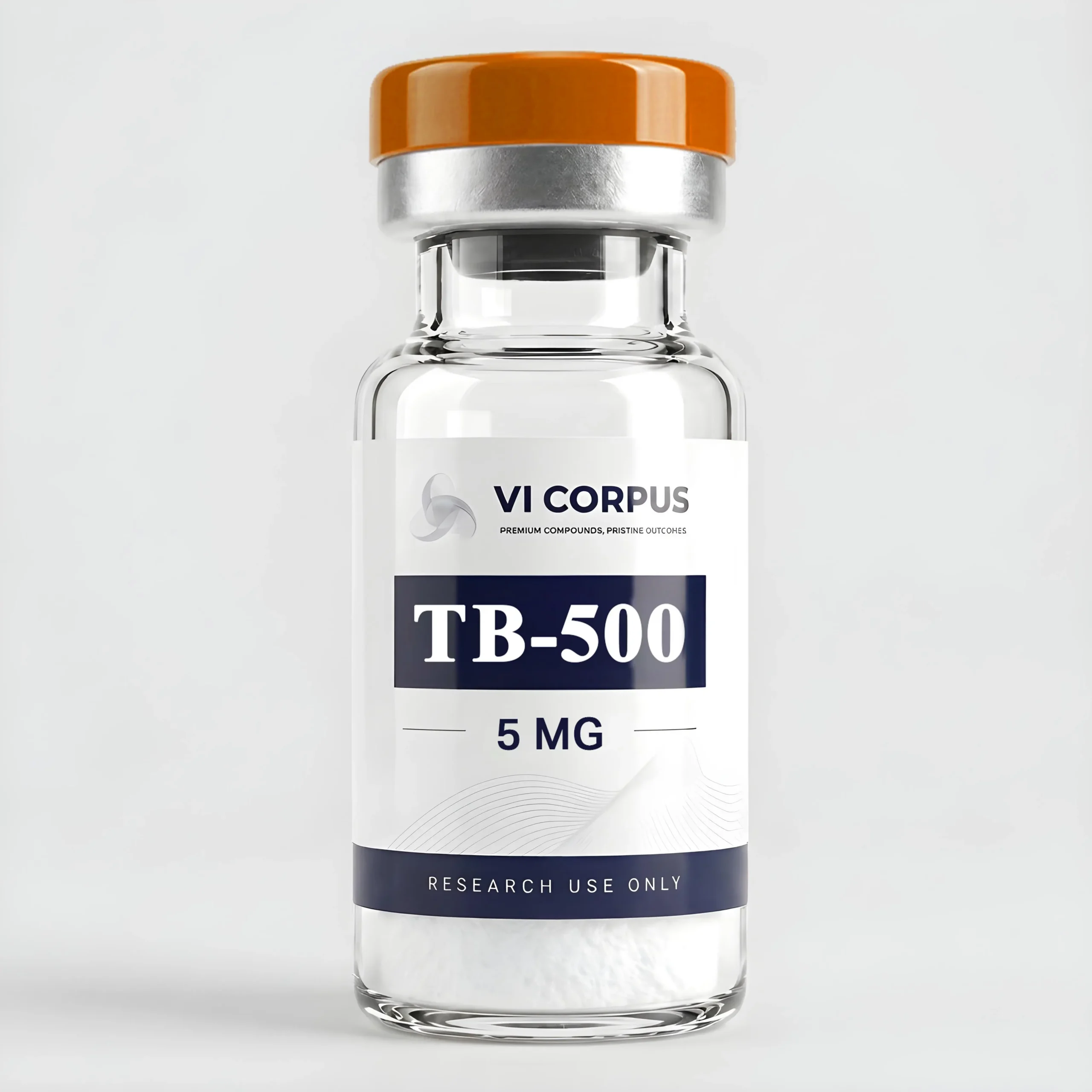
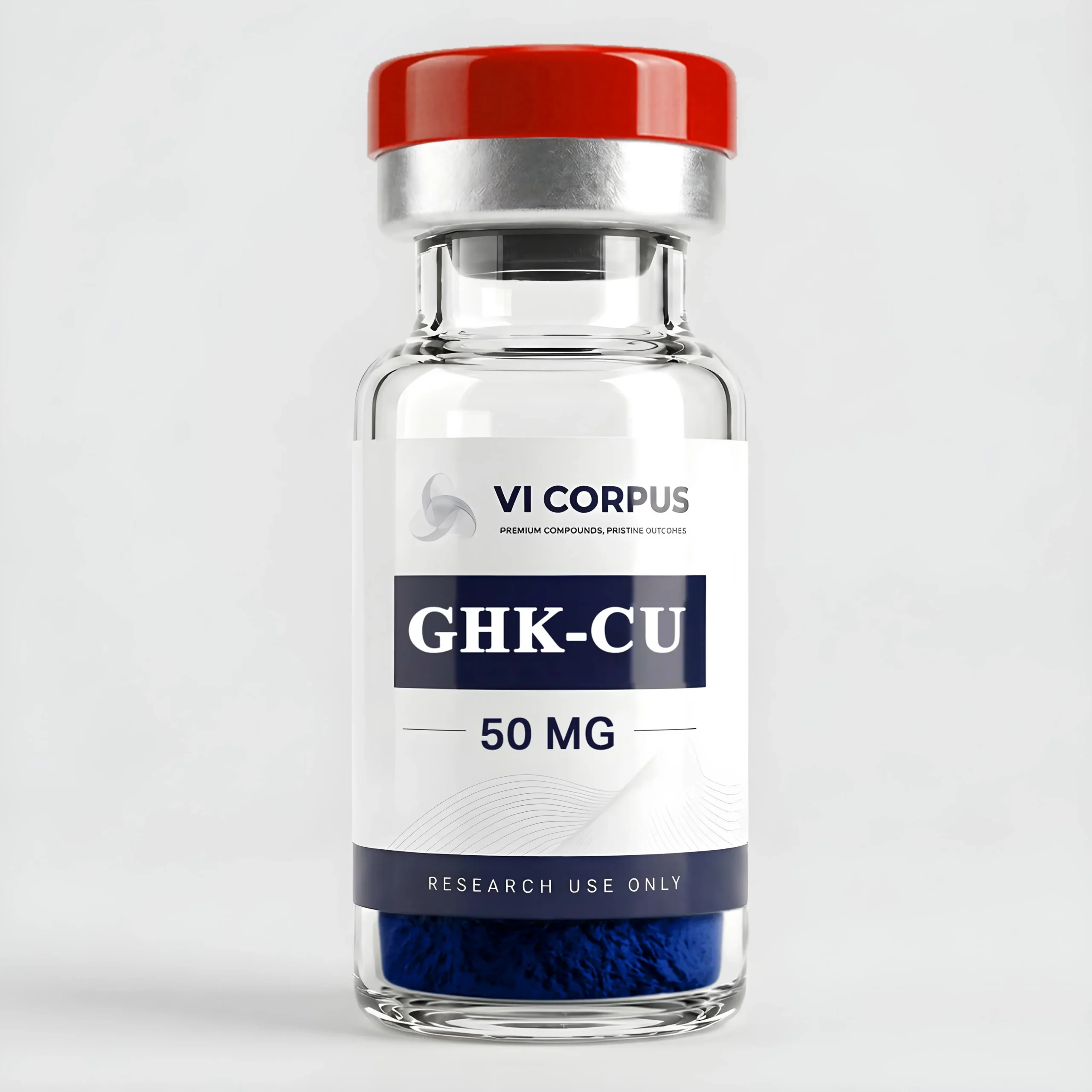
| Composition | BPC-157 – 5mg TB-500 – 5mg GHK-Cu – 50mg |
| Type | Multi-peptide research stack |
| Form | Lyophilised peptides |
| Purity | ≥98% research purity |
| Storage | Store refrigerated at 2–8°C. After reconstitution, keep at 1–4°C. |
| Country of Origin | USA |
Research Focus
BPC-157
BPC-157 is a synthetic pentadecapeptide studied for its involvement in angiogenesis, gastrointestinal repair, tendon regeneration, and inflammatory modulation. Research models suggest activity in tissue protection and accelerated wound healing pathways.
TB-500
TB-500, a synthetic analogue of thymosin beta-4, is investigated for its influence on cell migration, actin regulation, blood vessel formation, and connective tissue repair. It is commonly evaluated in muscle and joint injury recovery research.
GHK-Cu
GHK-Cu is a copper-binding tripeptide studied extensively for its role in collagen synthesis, skin regeneration, wound healing, and extracellular matrix remodelling. It is also examined in models of inflammation and tissue repair.
In Vivo Research Applications
- Supports investigation into accelerated tissue regeneration
- Examined for wound healing and muscle recovery pathways
- Studied for anti-inflammatory signalling modulation
- Evaluated for collagen production and skin repair mechanisms
- Investigated in connective tissue and joint support research
- Explored in regenerative and protective cellular models